Are you considering a career in medicine but confused about the different degrees? Wondering what sets an MD apart from a DO? Let's delve into the differences between these two paths in the medical field and explore the unique qualities of each.
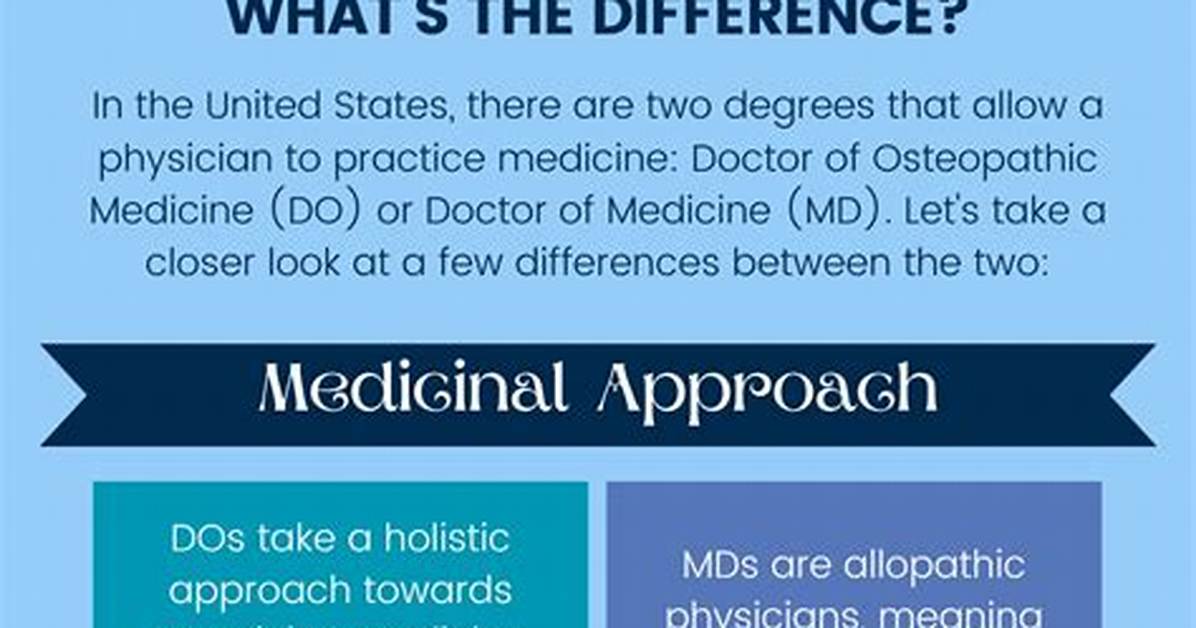
As you embark on the journey to become a physician, it's crucial to understand the disparity between the traditional Doctor of Medicine (MD) and the lesser-known Doctor of Osteopathic Medicine (DO). Both degrees lead to a career in medicine, but they encompass distinct philosophies, training, and approaches to patient care. To make an informed decision about your medical education, it's essential to grasp the disparities between MD and DO programs.
So, what exactly distinguishes an MD from a DO? How do their educational paths differ, and what implications do these differences have in the medical field? Join us as we unravel the disparities between MD and DO degrees and gain insight into the unique aspects of each.
What is the Educational Background for MD and DO?
MD: A Traditional Approach to Medicine
The path to becoming a Doctor of Medicine (MD) follows a conventional approach to medical education. Students pursuing an MD degree typically attend allopathic medical schools, where they undergo rigorous training in traditional medical practices. The curriculum for MD programs emphasizes the use of pharmaceuticals and surgery to treat illnesses, focusing on the symptoms and diseases of the body.
DO: A Holistic Approach to Medicine
On the other hand, the Doctor of Osteopathic Medicine (DO) degree takes a more holistic approach to healthcare. Osteopathic medical schools emphasize a whole-person approach to patient care, considering the interconnectedness of the body, mind, and spirit. DO students receive training in osteopathic manipulative treatment (OMT), a hands-on approach to diagnosing, treating, and preventing illness and injury.
What are the Philosophical Differences Between MD and DO?
MD: Disease-Centered Approach
MDs are trained to focus on the specific disease or ailment afflicting a patient, aiming to alleviate symptoms and cure the underlying condition. The traditional medical model followed by MDs centers around evidence-based practices, pharmaceutical interventions, and surgical procedures to address health issues.
DO: Patient-Centered Approach
DOs, on the other hand, adopt a patient-centered approach to healthcare, considering the individual as a whole rather than just the symptoms they present. Osteopathic philosophy emphasizes the body's innate ability to heal itself and places a strong emphasis on preventive care, lifestyle modifications, and the holistic well-being of the patient.

