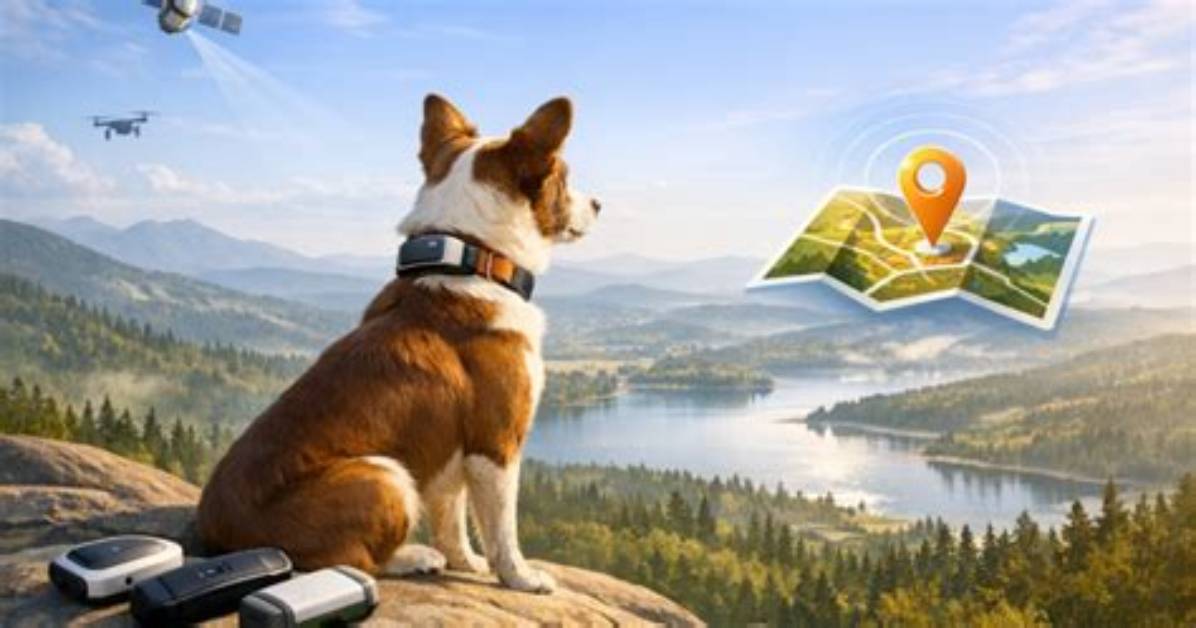
In today's world, keeping track of your furry friend's whereabouts has become not only a matter of convenience but also a necessity. A dog GPS tracker offers pet owners a way to ensure the safety and security of their dogs, providing peace of mind whether they're in the backyard or exploring the great outdoors. With advancements in technology, dog GPS trackers have become more accessible and affordable, making them an essential tool for responsible pet ownership. The rise in demand for such devices highlights the growing awareness among pet owners of the potential risks their pets face when they are out of sight. Whether it's a curious pup chasing a squirrel or an adventurous hound digging under the fence, the unpredictable nature of dogs means they can often wander off, leading to anxiety and distress for their owners.
Dog GPS trackers are designed to alleviate these concerns by offering real-time tracking and location services through a small, wearable device attached to the dog's collar. The technology behind these devices has evolved rapidly, incorporating features like activity monitoring, geofencing, and long battery life, which cater to the diverse needs of different dog owners. Moreover, the integration of smartphone apps with GPS trackers has made monitoring a dog's location as simple as checking a map on your phone.
This article will delve into the world of dog GPS trackers, exploring their functionality, benefits, and the various options available on the market today. From understanding how GPS technology works to selecting the right tracker for your dog, we will provide a thorough examination of these devices to help you make an informed decision. Whether you're a new pet owner or looking to upgrade your current tracking system, this guide will equip you with the knowledge needed to choose the best dog GPS tracker for your beloved canine companion.
How Dog GPS Trackers Work
Dog GPS trackers operate on the same basic principles as the GPS technology used in smartphones and navigation systems. These devices receive signals from a network of satellites orbiting the Earth, which allows them to determine the location of the dog wearing the tracker. The location data is then transmitted to the owner's smartphone or computer, often through a dedicated app or website.
The typical dog GPS tracker uses a combination of GPS, cellular, and sometimes Bluetooth technology to provide accurate location data. GPS technology is used to pinpoint the location, while cellular networks transmit the information to the owner's device. Some trackers also use Bluetooth for short-range location tracking, which can be useful in areas with poor GPS or cellular coverage.
One of the key benefits of GPS trackers is their ability to provide real-time location updates. This means that pet owners can instantly see their dog's location on a map, making it easier to find them if they wander off. Some advanced models also offer additional features such as geofencing, which allows owners to set up virtual boundaries. If the dog crosses these boundaries, the owner is immediately alerted, providing an extra layer of security.
Understanding the technology behind dog GPS trackers is crucial for selecting the right device for your needs. It's important to consider factors such as coverage area, accuracy, and the type of environment where the device will be used. For instance, trackers that rely heavily on cellular networks may not perform well in remote or rural areas with limited coverage.
Benefits of Using Dog GPS Trackers
There are numerous benefits to using a dog GPS tracker, making it an invaluable tool for pet owners. One of the most significant advantages is the peace of mind it provides. Knowing that you can quickly locate your pet if they wander off reduces the anxiety and stress associated with losing a beloved pet.
Dog GPS trackers also enhance safety by allowing owners to monitor their pets' activities and ensure they are not venturing into dangerous areas. For dogs that are prone to escape or explore, having a GPS tracker can significantly reduce the risk of accidents or getting lost.
Furthermore, many GPS trackers come with additional features that contribute to a dog's well-being. For example, activity monitoring allows owners to track their dog's exercise levels, ensuring they are getting enough physical activity. This can be particularly beneficial for dogs with health issues that require regular exercise to maintain their health.
Another benefit is the ability to set up geofences. These virtual boundaries can be customized to suit the owner's preferences, providing alerts if the dog leaves a designated safe zone. This feature is especially useful for dogs that spend time outside unsupervised, as it ensures they remain within a safe area.
Lastly, dog GPS trackers can be a valuable tool for training purposes. By monitoring a dog's movements, owners can gain insights into their behavior patterns and make informed decisions about training and discipline. This can lead to a better understanding of the dog's needs and help strengthen the bond between pet and owner.

