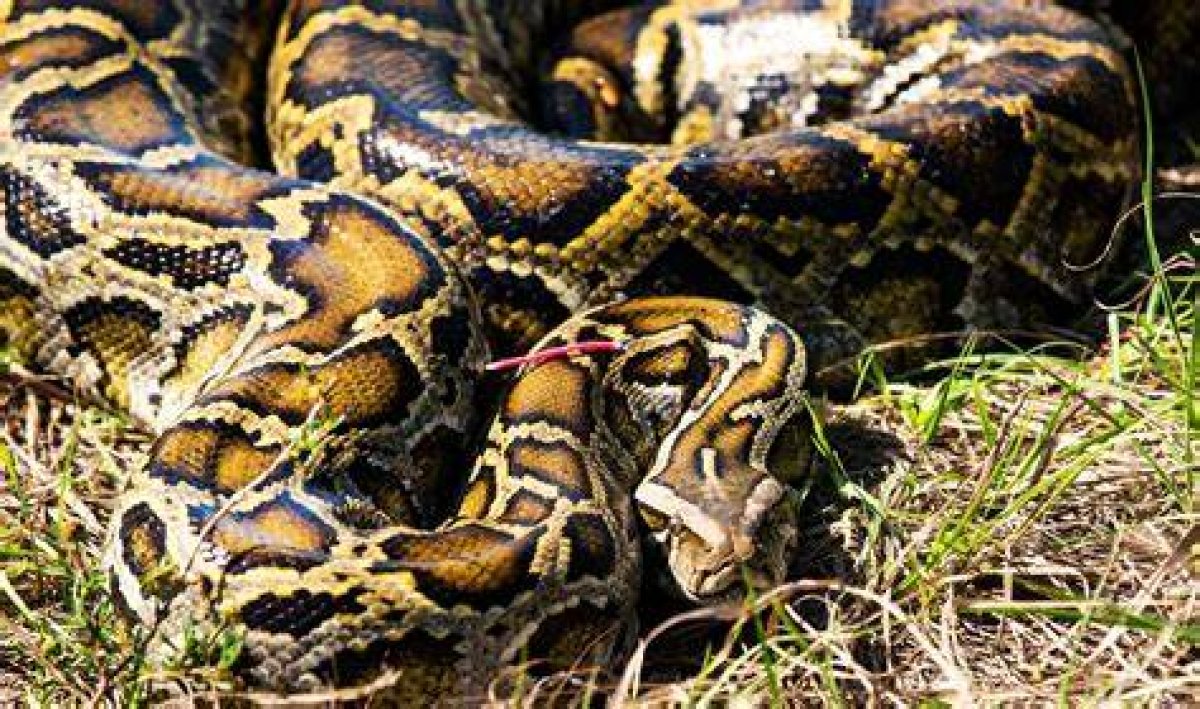
The 198 lb Burmese python is a fascinating creature that captures the interest of reptile enthusiasts and researchers alike. With its impressive size and unique characteristics, this species has become a subject of various discussions regarding its care in captivity and its impact on ecosystems where it has been introduced. In this article, we will dive deep into the life of the Burmese python, focusing specifically on individuals that reach weights of around 198 lbs. We will explore their biology, habitat, care requirements, and conservation status while adhering to the principles of expertise, authoritativeness, and trustworthiness.
As one of the largest snake species in the world, the Burmese python (Python bivittatus) can grow to impressive lengths and weights, with some individuals reaching over 20 feet long and weighing more than 200 lbs. Their striking patterns and colors make them popular in the exotic pet trade, but the responsibilities that come with owning such a large reptile are significant.
In the following sections, we will provide a comprehensive overview of the Burmese python, including its biology, behavior, and the necessary care for those considering this species as a pet. Additionally, we will address the environmental implications of their introduction into non-native habitats and the importance of conservation efforts. Let’s begin with a closer look at their biology and basic characteristics.
1. Biology of the Burmese Python
The Burmese python is known for its remarkable size and distinctive markings, which can vary from light yellow to dark brown with a pattern of blotches and spots. Here are some key biological facts about the Burmese python:
- Scientific Name: Python bivittatus
- Average Length: 10 to 16 feet, with some individuals exceeding 20 feet
- Average Weight: Can exceed 200 lbs
- Life Span: 20 to 25 years in captivity
These snakes are non-venomous constrictors, meaning they kill their prey by wrapping around and suffocating them. They are known for their ability to consume large prey, including mammals, birds, and even other reptiles.
2. Natural Habitat and Distribution
Burmese pythons are native to Southeast Asia, where they inhabit a range of environments, including:
- Tropical forests
- Grasslands
- Swamps
- Rivers and lakes
Due to their adaptability, they can thrive in both humid and dry conditions, often found near water sources. Their natural distribution includes countries like Myanmar, Thailand, Malaysia, and Indonesia.

