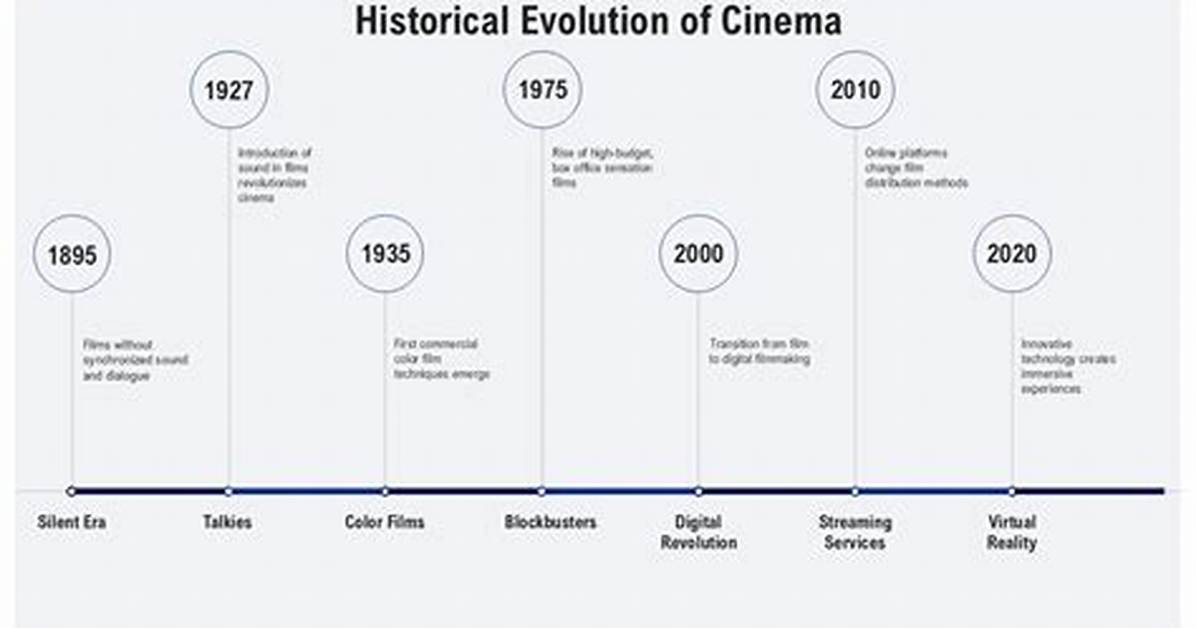
In the ever-evolving world of cinema, the rules that govern the industry have undergone a significant transformation. From the dawn of film to the digital age, the way we perceive and engage with movies has changed dramatically. Today, audiences are not just passive viewers; they are active participants in a cinematic experience that is more immersive than ever before. As we delve into the heart of this evolution, it becomes clear that understanding the current landscape is essential for both filmmakers and moviegoers alike.
As technology advances and societal norms shift, the rules of filmmaking, distribution, and consumption adapt to keep pace. The rise of streaming services has revolutionized how audiences access content, while social media platforms have changed the way films are marketed and discussed. The power dynamics within the industry are shifting, with independent filmmakers gaining more visibility and opportunities than ever before. In this article, we will explore how these changes define the phrase "movies rules today" and what it means for the future of cinema.
Moreover, as we dissect the current trends, we will also highlight the impact of diverse storytelling and representation in films. The demand for narratives that resonate with a broader audience has led to a richer tapestry of stories being told. In this landscape, the question arises: how do these evolving rules influence the filmmaking process and audience engagement? Join us as we navigate the intricate web of cinema's present-day guidelines and discover what truly rules the world of movies today.
What Are the Key Changes in Film Distribution?
As we explore the movies rules today, one of the most significant shifts has been in film distribution. Gone are the days when a film's success depended solely on its box office performance. Now, with the advent of streaming platforms, filmmakers have a plethora of options to reach their audience. But how exactly has the distribution landscape changed?
- Increased access to global audiences through platforms like Netflix and Amazon Prime.
- The rise of day-and-date releases, allowing films to premiere in theaters and online simultaneously.
- Growing importance of social media marketing, which allows for targeted advertising to specific demographics.
How Has Technology Influenced Filmmaking?
Technology has always played a pivotal role in filmmaking, but its impact is more pronounced than ever. The incorporation of advanced technologies such as virtual reality (VR), augmented reality (AR), and artificial intelligence (AI) has led to groundbreaking storytelling techniques. So, what specific technological advancements are shaping the movies rules today?
- High-quality cameras and editing software that enable independent filmmakers to produce professional-grade content.
- The use of CGI and special effects to create visually stunning narratives that captivate audiences.
- Interactive storytelling experiences that allow viewers to engage with the film in new ways.

